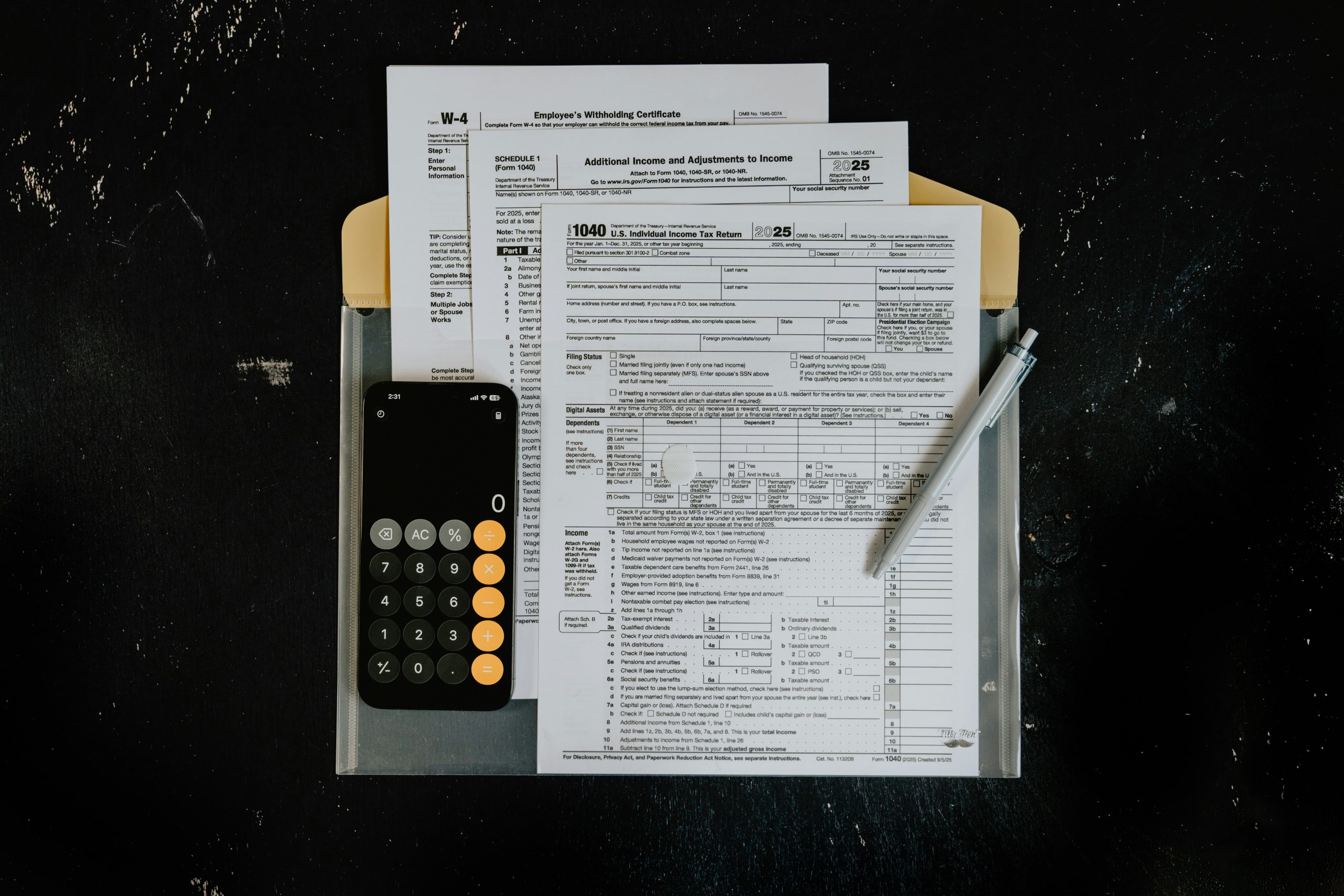
You’ve done the hard part. Your tax return is ready… and then you see it. A balance due.
If you’re searching “what to do if you owe taxes and can’t pay by April 15”, you’re not alone. According to the IRS, millions of taxpayers each year end up owing more than they expected. It’s a common situation, especially for self-employed professionals, small business owners, and anyone without consistent withholding.
The good news? You have options. And more importantly, there are smart steps you can take right now to reduce penalties, stay compliant, and protect your financial position.
In our experience working with small business owners and freelancers, the biggest mistake isn’t owing money. It’s avoiding the situation altogether.
Let’s break down exactly what to do next.
First: File Your Tax Return Anyway
If you take only one action before April 15, make it this: file your return on time, even if you can’t pay.
Here’s why this matters:
- The failure-to-file penalty is much higher than the failure-to-pay penalty
- Filing late can cost up to 5% of unpaid taxes per month (capped at 25%)
- The failure-to-pay penalty is typically 0.5% per month
That difference adds up quickly.
What this means in practice
Let’s say you owe $10,000:
- Not filing could cost you $500 per month in penalties
- Filing but not paying may cost closer to $50 per month
That’s a significant gap.
The bottom line is that filing protects you from the most expensive penalties and keeps you in good standing with the IRS.
Understand Your Payment Options
If you can’t pay your full tax bill immediately, the IRS offers several structured options. Choosing the right one depends on your financial situation.
1. Short-Term Payment Plan (0–180 Days)
If you can pay your balance within a few months, this is the simplest option:
- No setup fee
- Interest and penalties still apply
- Best for temporary cash flow issues
Example: A consultant expecting a large client payment in 60 days may use this to bridge the gap.
2. Long-Term Installment Agreement
This is the most common solution for taxpayers who need more time:
- Monthly payments spread over several years
- Setup fees may apply
- Interest continues, but you avoid aggressive collection actions
In our experience, many small business owners prefer this option because it creates predictability. You know exactly what’s due each month, which makes cash flow planning easier.
3. Offer in Compromise (OIC)
An Offer in Compromise allows you to settle your tax debt for less than the full amount owed.
However, it’s not easy to qualify.
The IRS looks at:
- Your income
- Expenses
- Asset equity
- Ability to pay
According to IRS data, only a portion of applications are accepted each year. This option works best for taxpayers facing genuine financial hardship.
4. Temporary Delay (Currently Not Collectible Status)
If you truly cannot pay anything right now, the IRS may temporarily pause collection efforts:
- No payments required during the period
- Interest and penalties continue
- Financial situation is reviewed periodically
This is often a last-resort option, but it can provide breathing room during difficult periods.
What Happens If You Owe Taxes and Don’t Act
Avoiding your tax bill can escalate quickly.
Here’s what typically happens:
- Penalties and interest continue to grow
- The IRS may file a Notice of Federal Tax Lien
- Wage garnishments or bank levies can follow
- Your credit and financial flexibility may be affected
We’ve worked with clients who waited too long and ended up dealing with far more stress and higher costs than necessary.
The earlier you act, the more control you have.
How to Choose the Right Option for Your Situation
Not every solution fits every taxpayer. The right approach depends on your financial reality.
Ask yourself:
- Can I pay this within 3–6 months?
- Do I have a consistent monthly income?
- Are my finances likely to improve soon?
- Am I already behind on other obligations?
A practical example
A freelance designer owing $8,000 might:
- Choose a short-term plan if a large invoice is due soon
- Opt for an installment agreement if income is steady but limited
- Explore an Offer in Compromise if income has dropped significantly
This is where working with a bookkeeper or tax professional becomes valuable. Based on our expertise, having someone assess your situation objectively often leads to better long-term outcomes.
How to Set Up an IRS Payment Plan
The process is more straightforward than most people expect.
Step-by-step:
1. File your tax return
2. Log in to the IRS Online Payment Agreement tool
3. Choose your preferred payment option
4. Select a monthly payment amount
5. Set up direct debit (recommended)
Direct debit reduces the risk of missed payments and may lower setup fees.
Ways to Reduce What You Owe (Even After Filing)
Even if you’ve already filed, there may still be ways to improve your situation.
Consider these strategies:
- Adjust your payment timing: Pay as much as you can upfront to reduce interest
- Review your return: Ensure you didn’t miss deductions or credits
- Apply refunds strategically: Future refunds can be applied to your balance
According to the IRS, interest compounds daily. That means even small early payments can make a difference over time.
Why This Happens (And How to Prevent It Next Year)
When you owe taxes and can’t pay, it often comes down to one key issue: insufficient withholding or planning.
This is especially common for:
- Self-employed individuals
- Small business owners
- Contractors and freelancers
- Individuals with multiple income streams
Common causes we see with clients
We see these often:
- Not making quarterly estimated payments
- Underestimating income
- Missing deductible expenses
- Poor bookkeeping throughout the year
How Better Bookkeeping Solves This Problem
This is where proactive financial management changes everything.
With consistent bookkeeping, you can:
- Track income in real time
- Estimate tax liability accurately
- Set aside funds monthly
- Avoid year-end surprises
Real-world example
One of our clients, a growing e-commerce business owner, went from owing $18,000 unexpectedly to having fully planned quarterly payments within a year. The difference wasn’t income. It was visibility and structure.
That’s the value of working with a professional who understands your numbers.
When to Get Professional Help
If your tax situation feels overwhelming, that’s a sign to bring in support.
If you owe taxes and can’t pay on time, aren’t sure which IRS program fits your situation, or have fallen behind in previous years, working with a professional can change your outcome significantly. Fluctuating income makes this even more important; the right guidance at the right time protects you from costly decisions made under pressure.
A qualified bookkeeper or tax advisor will help you choose the right payment strategy, communicate directly with the IRS on your behalf, identify opportunities to reduce your tax burden, and put systems in place that prevent this situation from repeating.
Key Takeaways
If you owe taxes and can’t pay by April 15, focus on these priorities:
- File your return on time to avoid higher penalties
- Explore payment plans that match your financial situation
- Take action early to prevent escalation
- Use the experience to improve your tax planning moving forward
You’re not stuck. You just need a plan.
Ready to Take Control of Your Taxes?
If you’re dealing with a tax balance right now or want to avoid this situation next year, reach out to our team.
Whether you’re facing an unexpected balance this April or want to avoid the same stress next year, we’re here to help you understand your options, set up a realistic payment plan, and build a bookkeeping system that keeps you ahead of every tax deadline. No panic, just a clear path forward! Book a free call with our team today.